ROME, ITALY


Staying in Rome Before or After a Cruise
A practical guide for cruise travelers combining Rome with a Mediterranean itinerary.
Why Many Cruise Travelers Stay in Rome
For cruise travelers sailing via Civitavecchia, Rome is the most common and practical place to stay before or after a cruise. Instead of traveling directly to the port, many passengers choose to spend one or more nights in Rome, combining their cruise with time in one of Europe’s most historic cities.
This approach is especially popular among international travelers arriving from North America, Australia, and Asia. Rome offers major international flight connections, frequent transport links to Civitavecchia, and a wide range of accommodation options, making it a natural base around a Mediterranean cruise itinerary.
Rome and the Cruise Port Connection
Rome itself is not a cruise port. Most ocean cruises in central Italy depart from the Port of Civitavecchia, located roughly 80 kilometers northwest of the city. Despite this distance, the connection between Rome and the port is straightforward and well established.
Travelers typically reach Civitavecchia by train, private transfer, or cruise-organized transportation. Because the journey takes time, many passengers prefer not to combine flights, transfers, and embarkation on the same day. Staying in Rome before sailing reduces the risk of delays and creates a more relaxed start to the cruise.
Why Rome Works Especially Well Before a Cruise
For pre-cruise stays, Rome offers flexibility that port-area hotels simply cannot match. Travelers arriving a day or two early can recover from jet lag, adjust to local time, and avoid early-morning stress on embarkation day.
Rome also allows travelers to separate sightseeing from cruise logistics. Instead of rushing between airports and terminals, passengers can enjoy the city at a slower pace, knowing that transport to Civitavecchia is planned in advance.
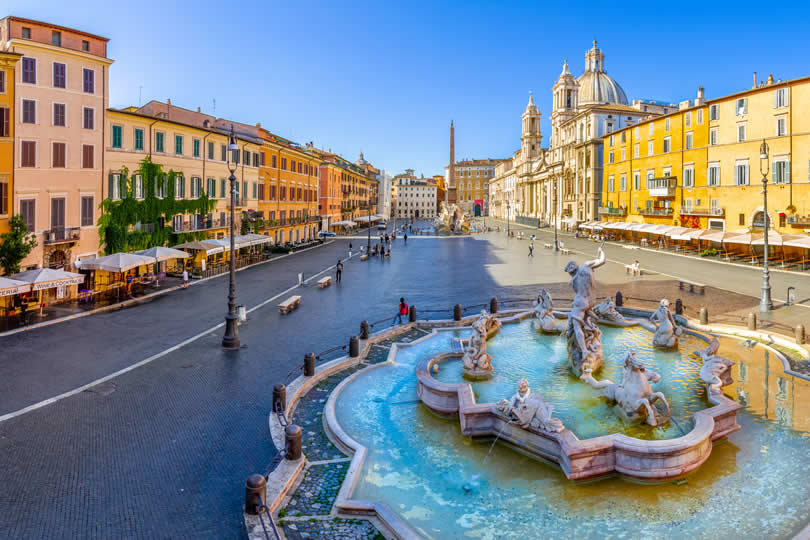
Common reasons travelers stay in Rome before sailing include:
- arriving internationally one or more days early
- avoiding same-day flight and port transfers
- adjusting to time zone changes
- starting the cruise feeling rested rather than rushed
Staying in Rome After a Cruise
Rome is equally popular as a post-cruise destination. After disembarking in Civitavecchia, many travelers choose to return to Rome instead of flying home immediately.
This allows for flexible departure schedules, avoids long travel days after disembarkation, and turns the end of a cruise into a relaxed city stay. For travelers with afternoon or next-day flights, staying overnight in Rome is often more comfortable than transferring directly to the airport.
Post-cruise stays are especially common for travelers extending their trip through Italy or combining their cruise with other European destinations.
Where Cruise Travelers Typically Stay in Rome
Unlike airport or port hotels, accommodation choices in Rome are usually based on convenience and accessibility rather than proximity to a cruise terminal.
Cruise travelers most often choose:
- Central Rome – convenient for sightseeing and major transport hubs
- Areas near main train stations – practical for transfers to Civitavecchia
- Well-connected neighborhoods – offering easy access to trains, taxis, and airports
The best option depends on arrival time, luggage, length of stay, and whether the visit is before or after the cruise.
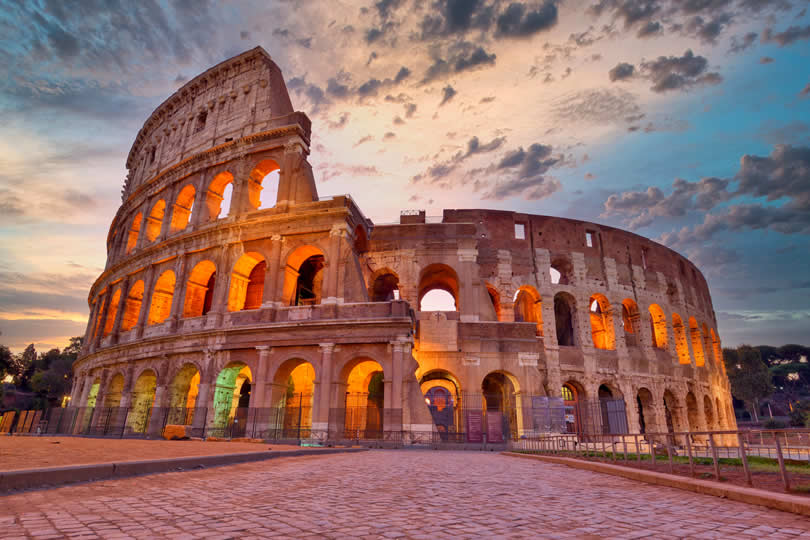
When Staying in Rome Makes Sense, and When It Doesn’t
Staying in Rome works best for travelers who:
- arrive in Italy at least one day before sailing
- want flexibility around embarkation or disembarkation
- plan to include sightseeing before or after the cruise
However, travelers with very early embarkation schedules or limited time may prefer staying closer to Civitavecchia. In those cases, port-area accommodation can reduce travel time on cruise day, although it offers fewer options compared to Rome itself.
Practical Planning Tips for Cruise Travelers
Based on common Mediterranean itineraries, travelers staying in Rome should consider:
- allowing sufficient buffer time between flights, transfers, and embarkation
- booking transport to Civitavecchia in advance during peak season
- choosing accommodation aligned with arrival and departure schedules
Planning Rome as a separate travel segment rather than an add-on makes the overall cruise experience smoother and more predictable.
Final Thoughts
Rome remains one of the most popular cities in Europe to combine with a cruise. Its international connectivity, established transport links to Civitavecchia, and wide accommodation choice make it a practical and rewarding stop before or after sailing.
For many travelers, staying in Rome is not just about convenience, but about turning a cruise itinerary into a more balanced and memorable journey.
Related Guides to Rome